
Field to Film: Featured Research
Improving Soybean Yield Potential with Smart Applications

The Arkansas Soybean Promotion Board invests checkoff funds to improve the sustainability and profitability of the soybean industry in Arkansas. The board’s research investment includes projects conducted by Dr. Gus Lorenz, an integrated pest management professional and entomologist with the University of Arkansas’s Division of Agriculture. Dr. Lorenz and his team conduct checkoff-funded research with…
Read MoreFeeding Poultry’s Potential with Soymeal

As the “bird” evolves and genetics improve, poultry nutritionists like Dr. Sam Rochell at the University of Arkansas’s Center of Excellence for Poultry Science are working to match their constantly changing nutrient requirements while minimizing excreted nutrients. The Arkansas Soybean Promotion Board and the Arkansas checkoff funds support his work. Broiler chickens account for…
Read MoreArkansas Soybean Producers Invest in New Breeder

There’s a new soybean breeder in town and he’s ready to use the resources of the past and present to produce yield-boosting Group IV varieties for the future of Arkansas Soybeans. After eight years away, Dr. Leandro Mozzoni returns to the University of Arkansas and takes charge of the long-standing breeding program. 14 years ago,…
Read MoreCover Crops Yield Agronomic Benefits, Weed Control

For more than a year, the University of Arkansas’s Division of Agriculture has been testing cover crop implementation to boost soybean yield. Dr. Trent Roberts says the time and effort producers put into cover crops can really pay off when it comes to weed control issues. Implementing cover crops into your production system provides agronomic…
Read MoreDestroying Weed Seeds
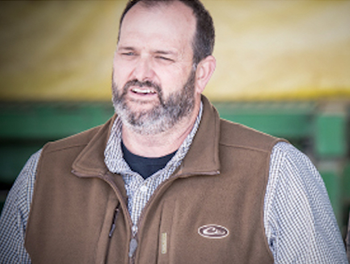
Through research funded by soybean checkoff dollars, Dr. Bob Scott, weed specialist with the University of Arkansas Cooperative Extension Service (UAEX), explains how advances in existing practices can destroy weed seeds. The battle against weeds is never ending, but new equipment allows soybean producers to manage common weed seed. Moving forward from windrow burning, which…
Read MoreNeonicotinoid Effects on Arkansas Honey Bees

Dr. Gus Lorenz, entomologist with the University of Arkansas Cooperative Extension Service, began studying honey bees five years ago. In 2012, the impact of neonicotinoids on these pollinators received national news after the widely used insecticide was implicated as contributing to colony collapse disorder. Along with farmers and researchers alike, Dr. Lorenz became very concerned.…
Read More